Discover how indoor air quality affects your skin and hair complete guide. Poor air causes breakouts, dryness, hair loss, and scalp irritation - here's what to do.
Your skincare routine is spotless. Your hair products are salon-quality. Yet your skin keeps breaking out and your hair looks dull despite everything you're doing right. The culprit might be floating right around you.
The air inside your home contains 2-5 times more pollutants than outdoor air, according to the Environmental Protection Agency. That means every breath you take indoors exposes your skin and hair to dust mites, volatile organic compounds from cleaning products, pet dander, mold spores, and chemical off-gassing from furniture and carpets.
Poor indoor air quality triggers inflammation in your skin, disrupts your scalp's natural oil production, and creates the perfect environment for bacterial overgrowth. Your face and hair are getting hit with airborne irritants 24/7, and most people have no idea it's happening.
How Poor Air Quality Damages Your Skin
Particulate matter from indoor air settles directly on your skin throughout the day. These microscopic particles clog pores, trigger inflammatory responses, and break down collagen through oxidative stress. Women with sensitive skin or conditions like eczema see flare-ups worsen in poorly ventilated spaces.
Dry indoor air strips moisture from your skin's surface layer. When humidity drops below 30%, your skin barrier weakens and starts losing water faster than it can replace it. This leads to that tight, flaky feeling that no amount of moisturizer seems to fix.
Volatile organic compounds from household products penetrate your skin and cause contact dermatitis. These chemicals evaporate at room temperature and include formaldehyde from pressed wood furniture, benzene from stored gasoline or paint, and toluene from nail polish or adhesives.
What Indoor Air Does to Your Hair
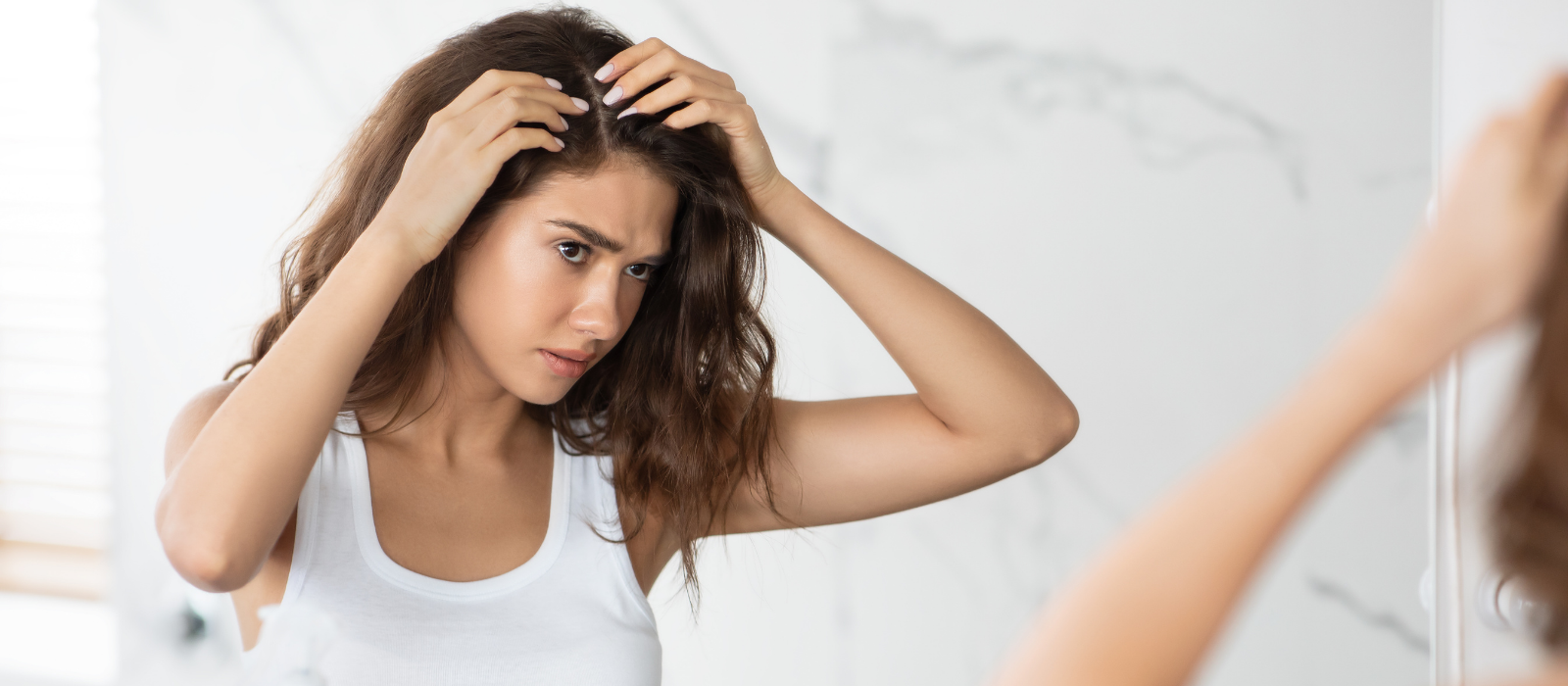
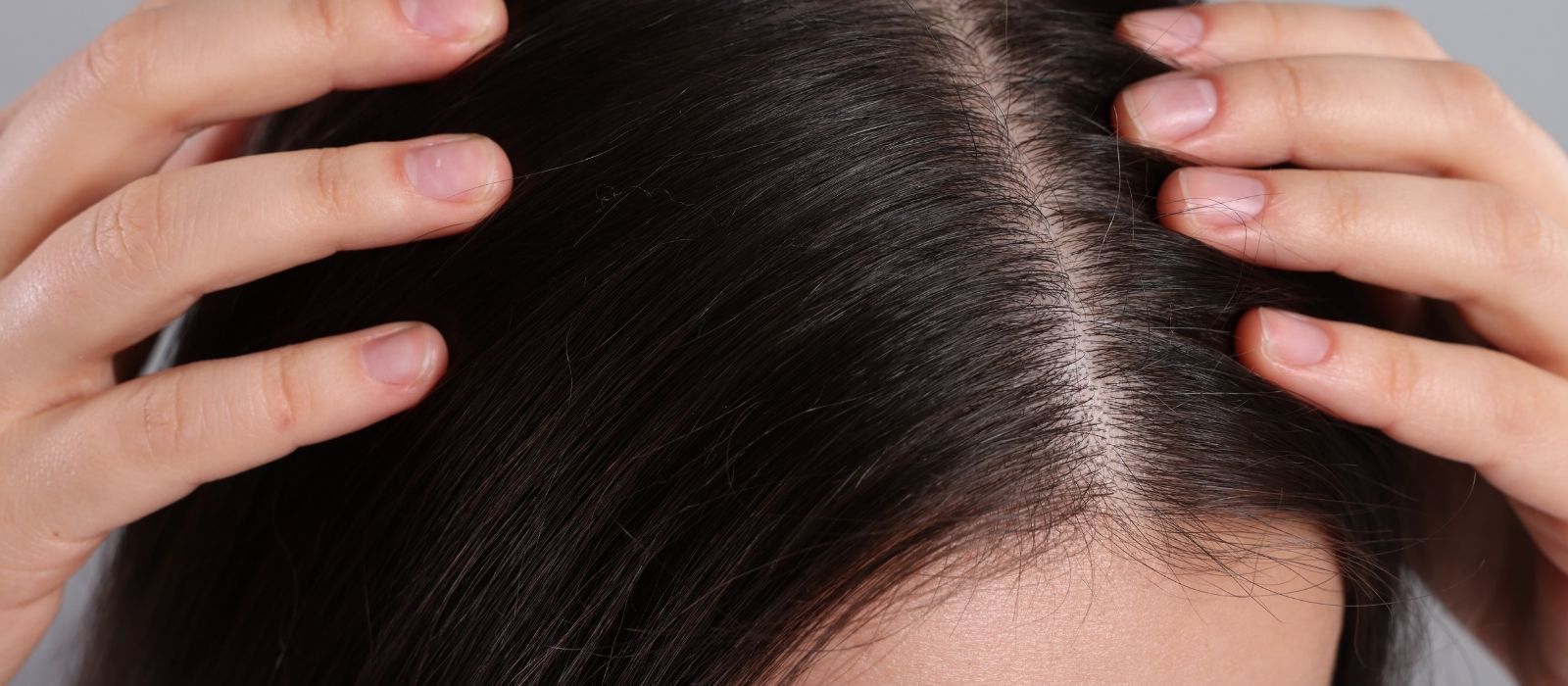
Your scalp reacts to airborne irritants the same way facial skin does. Dust mites and pet dander trigger scalp inflammation, leading to itching, flaking, and conditions that mimic dandruff. The difference between dry scalp and dandruff becomes harder to identify when environmental factors are causing both.
Low humidity doesn't just affect your skin. Hair shafts become brittle and prone to breakage when moisture levels drop. Your hair cuticles lift, creating frizz and making your hair look damaged even when it's healthy underneath.
Chemical pollutants from cleaning products and air fresheners coat your hair strands, creating buildup that weighs hair down and blocks moisture from penetrating. This is especially problematic for textured hair that already struggles with dryness.
The Hidden Sources Making It Worse
Your heating and cooling system circulates the same contaminated air repeatedly if filters aren't changed regularly. HVAC systems with dirty filters spread dust, mold spores, and bacteria throughout your living space. Most people change filters every three months, but homes with pets or smokers need monthly replacements.
Scented candles and plug-in air fresheners release formaldehyde, benzene, and synthetic fragrances that irritate sensitive skin. Even 'natural' candles made from soy or beeswax can produce soot that settles on your face while you sleep.
New furniture and carpeting off-gas chemicals for months after installation. That 'new carpet smell' contains 4-phenylcyclohexene, toluene, and formaldehyde. These compounds don't just smell - they land on your skin and hair, causing irritation that builds up over time.
Solutions That Actually Work
Open windows for 10-15 minutes daily, even in winter. This simple action flushes out accumulated pollutants and brings fresh air indoors. Cross-ventilation works best - open windows on opposite sides of your home to create airflow.
Run a high-quality HEPA air purifier in your bedroom where you spend 6-8 hours nightly. Look for units that filter particles down to 0.3 microns - this catches dust mites, pollen, and most airborne irritants affecting your skin and hair.
Maintain humidity between 40-50% using a humidifier during dry months. This prevents your skin and hair from losing moisture to the air while discouraging mold growth that occurs above 60% humidity.
Switch to fragrance-free cleaning products and eliminate air fresheners completely. Your skin and hair problems often improve within weeks of removing synthetic fragrances from your indoor environment.
Keep houseplants like snake plants, pothos, or peace lilies that naturally filter air pollutants. NASA's Clean Air Study found these plants remove formaldehyde, benzene, and trichloroethylene from indoor air.
Change HVAC filters monthly if you have pets, every two months otherwise. Use MERV 8-11 rated filters that trap smaller particles without restricting airflow. Higher MERV ratings can strain your system and aren't necessary for most homes.
Frequently Asked Questions
How quickly will my skin improve after fixing indoor air quality?
Most people notice reduced breakouts and less skin irritation within 2-3 weeks of improving ventilation and removing major air pollutants. Hair texture improvements take longer - usually 4-6 weeks as new growth emerges in cleaner air conditions.
Do air purifiers really help with skin problems caused by indoor air?
Yes, HEPA air purifiers remove 99.97% of particles 0.3 microns and larger, including dust mites, pet dander, and pollen that trigger skin inflammation. Studies show people with allergic skin conditions see significant improvement when using bedroom air purifiers consistently.
What's the ideal humidity level to prevent skin and hair damage from dry air?
Maintain indoor humidity between 40-50% year-round. Below 30% causes skin barrier damage and brittle hair. Above 60% promotes mold growth that can worsen scalp health problems. Use a hygrometer to monitor levels accurately.